
Service Guide
Water extraction and initial removal
Understand how professional water extraction removes standing water from floors, carpets, and subfloor assemblies to prepare the home for structural drying.
Calling is currently unavailable.
Prepare the details before calling ↗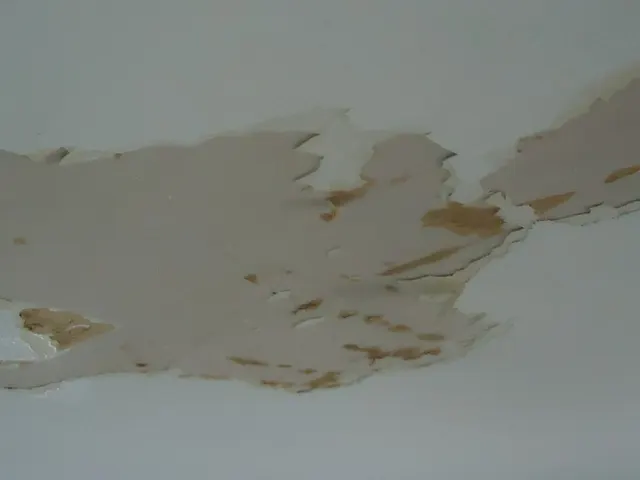
Peeling paint and affected ceiling material.
PLAN THE HANDOFF
Follow the water through the building.
01
Identify the source and access
Explain where the water appeared and any safety concerns. Source repair may be a separate task.
02
Discuss standing water removal
Ask which rooms and materials are included and how disposal will be handled.
03
Check materials and plan drying
Ask where moisture will be assessed and how progress will be documented.
04
Keep the records
Retain the written scope, change approvals, photographs and available readings.
What water extraction includes
Water extraction removes standing water and some water held in affected materials. The approach depends on the water source, the surfaces involved and whether the area can be accessed safely. Ask what the provider plans to extract and which materials need a separate assessment.
Describe the rooms involved and any water you can see from a safe place. Carpet, wood, tile and the layers beneath them can require different decisions. A photograph can help explain the situation, but it cannot establish the full extent of hidden moisture.
Source repair versus extraction boundaries
Ask whether source repair is included or needs a separate plumber, roofer or HVAC contractor. Removing water and fixing the problem that allowed it in are different parts of the scope; one company may handle both, or you may need separate specialists.
If water is still entering, tell the provider before discussing equipment. Ask how source control, safe access and extraction will be coordinated. Do not approach electrical equipment, unstable ceilings or contaminated water to investigate.
Initial assessment and moisture mapping
Ask how the provider will check adjoining rooms, floor layers and the lower portions of walls. The visible puddle may not show everywhere water has reached. Request an explanation of which observations or readings support the proposed work.
Ask where readings will be recorded and what further access may be needed. A thermal image or surface appearance alone does not establish that materials are dry. The provider should explain the limits of the assessment and any unresolved areas.
The water extraction process
Before work begins, confirm which rooms and belongings are included. Ask who will move or protect items, what access is required and how unaffected areas will be kept separate. Do not move items through an area the provider has identified as unsafe.
After standing water is removed, ask what happens next. Some materials may need drying, cleaning, removal or further investigation. Extraction should have a clear handoff to the next stage rather than leaving you to infer that the property is ready for repairs.
Questions to ask regarding extraction estimates
Ask how extraction is priced and what could change the estimate. Useful distinctions include equipment setup, labor, disposal, after-hours charges and any separate drying work. Compare what each proposal includes before comparing totals.
Request an explanation of any proposed treatment and why it applies to your situation. Ask whether removal decisions need your approval and how changes will be documented. Keep a copy of the scope and any later authorizations.
Completion records and transition to drying
Ask the provider to explain what was removed, which materials remain wet and what work is still outstanding. Keep available photographs, readings and written recommendations with the estimate.
A floor without visible water is not proof that the layers below it are dry. Before agreeing to replacement flooring or other finishes, ask who will assess remaining moisture and what evidence will support that decision.
KNOW WHAT TO ASK
Questions before restoration work
Does this site perform restoration work?
No. This website provides information. Confirm the work, timing, qualifications and price directly with your chosen provider.
Does removing visible water mean materials are dry?
Not necessarily. Ask how remaining moisture will be assessed and what evidence supports the next stage of work.
What should a written estimate include?
Ask for the rooms, materials and tasks covered, how charges are calculated, and what is excluded. Keep written approvals for changes.
Keep the property details close.
Note the address, when the water appeared, affected rooms and any safety concerns. Ask for the work and price in writing.
Calling is currently unavailable.